
The Illusion of Winning
One of the most effective psychological tricks employed by casinos is the creation of an illusion of winning. Through sound effects, colorful lights, and celebratory animations, casinos make players feel as though they are frequently winning, even if these wins are minor or far less than the bets placed. This sense of achievement can lead to increased play, as players are drawn into the euphoria of potential rewards, similar to how you might find a best bitcoin sportsbook appealing for its excitement and potential gains.
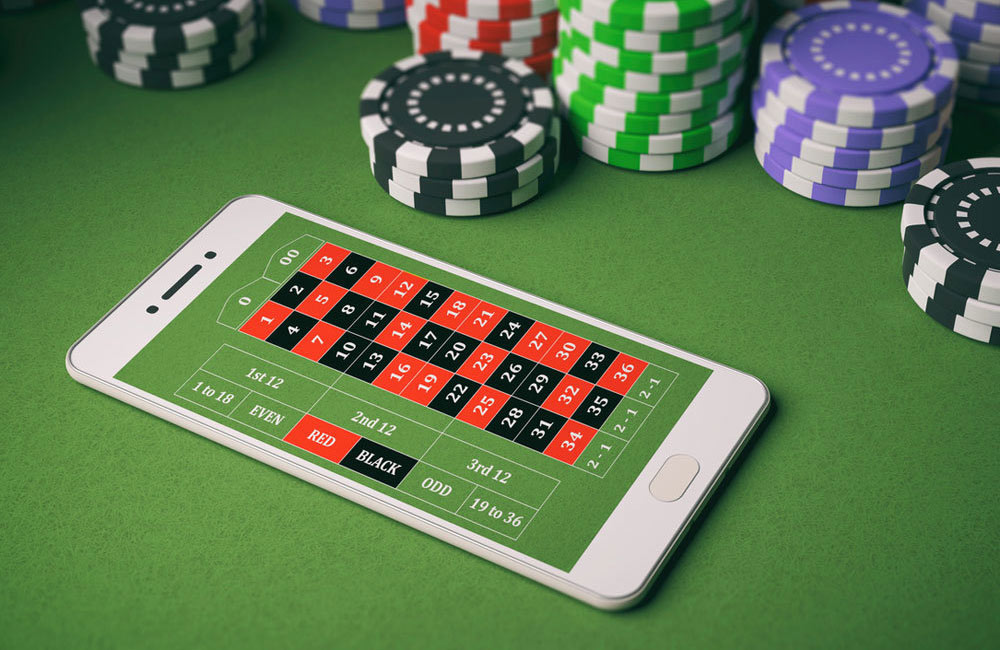
This technique is rooted in the psychology of reinforcement. When players experience a win, even a small one, their brains release dopamine, a neurotransmitter associated with pleasure. This chemical reaction reinforces the behavior, encouraging players to continue gambling in hopes of experiencing that “winner’s high” again.
The Design of Casino Environments
Casinos are meticulously designed to keep players engaged for extended periods. The layout often features an intricate maze of games, with no clocks or windows to remind players of the passage of time. This sensory deprivation encourages players to lose track of time and stay immersed in the gaming experience. The environment is curated to be inviting, with plush seating and ambient music that creates a comfortable atmosphere for prolonged play.
Furthermore, various games are strategically placed to encourage movement and exploration. Players are more likely to take risks and try different games when tempted by the proximity to vibrant, engaging displays. This design philosophy ensures that players remain physically and psychologically connected to the gaming floor.
The Role of Loyalty Programs
Many casinos employ loyalty programs as a way to foster a sense of belonging among players and keep them returning. These programs often reward players with points for their bets, which can later be exchanged for various perks, including free play, meals, and accommodation. The consistent accumulation of rewards motivates players to continue gambling, as they feel they are gaining value from their losses.
Additionally, these programs create a sense of commitment. Players may feel they are investing in their membership status, leading them to maintain their gambling habits to avoid losing their accumulated benefits. This psychological bond encourages repeated visits and prolonged gaming sessions.
The Use of Near Misses
Casinos often use the concept of near misses—moments when a player almost wins—to keep players engaged. For example, in slot machines, seeing two matching symbols and one blank reel can evoke strong feelings of anticipation and excitement. This psychological tactic can lead players to believe that they are close to winning, prompting them to keep playing in pursuit of that elusive jackpot.
This phenomenon is linked to the gambler’s fallacy, where individuals mistakenly believe that future outcomes are influenced by previous events. The more near misses a player experiences, the more convinced they become that a win is imminent, leading to extended play and increased spending.

Discovering More Psychological Insights on Our Website
To delve deeper into the fascinating psychological tactics used by casinos, our website offers extensive resources and insights. We explore the various strategies that gaming establishments employ to influence player behavior, giving you a comprehensive understanding of their methods.
Whether you’re a casual player or someone seeking to understand the intricacies of gambling psychology, our content serves as a valuable guide. We aim to empower you with knowledge, allowing you to make informed decisions about your gaming experiences. Explore our articles to uncover the layers of casino influence and optimize your approach to gambling.


