

Plan your design, planting scheme and finishing touches to reap the benefits of a kitchen garden.
What’s the difference between a kitchen garden and a vegetable patch? Well, the biggest difference is that the kitchen garden, or potager, is both productive and beautiful. A tall order you might think but with a bit of planning it’s perfectly possible to achieve.
Design and layout
- Think about the shape of the beds. Try for a symmetrical arrangement of four, or six small rectangles, or use triangular beds to make a star shape around a central point.
- Use pictures of parterres for inspiration.
- Paths between the beds need to be clear and clean.
- Arrange plants in blocks or very neat rows for an attractive appearance.
- Containers are great, not only are they ornamental and provide year round structure but they’re also perfect for growing in.
Decorative plants
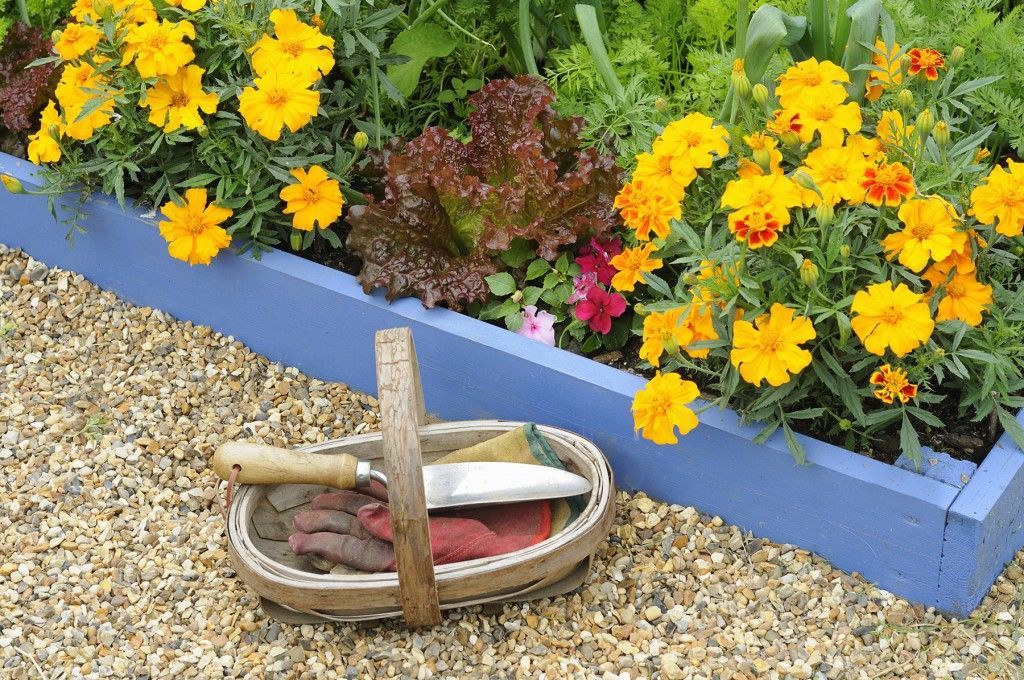
- Grow neat box bushes around each bed to give a crisp edge, or use painted timber boards.
- Mix flowering plants in with your edibles for extra colour.
Getty
Edible plants
- Grow what you like to eat, and include salads and vegetables like chard, runner beans and different types of lettuce that look attractive, too.
- Evergreen herbs like rosemary will give year round structure and are good for the end or middle of beds.
- All herbs are pretty so put in as much as you can of parsley, chives, dill, sage, basil, tarragon, mint, rosemary and thyme.
Finishing touches
- These really do make the difference between a work-a-day veg patch and a pretty kitchen garden.
- Use raffia to tie in the plants or tie bamboo canes together, rather than plastic.
- Galvanised or zinc containers create a shabby chic look. A row of galvanised watering cans is both useful and ornamental.
- Try hanging colourful bunting across the area or decorating it with lovely lanterns and bird feeders.


