Understanding psychological impacts of gambling on decision-making processes
The Nature of Gambling and Decision-Making
Gambling is often perceived as a thrilling activity that invokes excitement and anticipation. The psychological processes involved in gambling significantly influence decision-making. Players often find themselves swayed by emotions such as hope and desire for risk, leading them to make choices they might not consider in a different context. For instance, the allure of winning can blind a player to the reality of their financial situation, which can skew their decision-making processes. Many players turn to additional resources, such as https://slotshopper-ca.com/, to find advanced strategies that can enhance their gaming approaches.
Additionally, the structure of many gambling games encourages a specific type of decision-making known as risk-taking behavior. This is particularly evident in casino settings where the environment is designed to heighten emotional responses. For example, the sounds of machines, the flashing lights, and the presence of other players create an atmosphere that can amplify impulsivity. Consequently, decisions made in this environment are often not based on rational thought but are heavily influenced by the immediate psychological state of the player.
Understanding these emotional triggers is crucial for recognizing how they impact decisions made while gambling. Factors like adrenaline and excitement can lead to overconfidence, making players more likely to gamble larger sums than they initially intended. This impact of emotional and environmental cues plays a vital role in shaping the choices that individuals make, often resulting in decisions that can have significant financial consequences.
The Role of Cognitive Biases
Cognitive biases are systematic patterns of deviation from norm or rationality in judgment. In the realm of gambling, these biases can profoundly affect decision-making. For instance, the “gambler’s fallacy” is a prevalent bias where individuals believe that past outcomes influence future results in random events. This misconception can lead to poor betting strategies, as players may continue to gamble under the false belief that they are due for a win after a losing streak.
Another common cognitive bias is the illusion of control, where gamblers believe they can influence the outcome of games that are fundamentally based on chance. This mindset can encourage riskier bets, as players feel empowered to sway the odds in their favor. Such biases can cloud judgment, leading individuals to ignore statistical realities and make decisions that defy logical reasoning.
Moreover, confirmation bias also plays a role in gambling. This occurs when individuals seek out information that confirms their preexisting beliefs about their betting strategies. For example, a player may remember wins more vividly than losses, reinforcing their belief that their strategy works. This selective memory can lead to misguided confidence and potentially devastating financial decisions.
The Impact of Addiction on Decision-Making
Gambling addiction presents a particularly severe challenge to rational decision-making. Individuals grappling with gambling addiction often experience a compulsive need to gamble, which overrides logical thought processes. This addiction can lead to a decline in self-control, making it increasingly difficult for individuals to assess the consequences of their choices. Their decisions often become impulsive, driven by the addictive craving rather than careful consideration.
The psychological effects of addiction also extend to how players perceive losses. Many individuals addicted to gambling may chase their losses, believing that if they just keep betting, they will eventually regain what they lost. This behavior is a classic example of poor decision-making influenced by addiction, leading to a cycle of financial ruin that is hard to break.
Furthermore, the emotional toll of gambling addiction can exacerbate poor decision-making. Feelings of shame, guilt, and anxiety can cloud judgment, causing individuals to ignore the detrimental effects of their gambling habits. The inability to think clearly can lead to desperate decisions, such as borrowing money or engaging in unethical behaviors to fund their gambling, further entrenching them in a cycle of poor choices.
Strategies to Improve Decision-Making in Gambling
Awareness is the first step towards improving decision-making while gambling. Understanding the psychological factors that influence choices can empower players to make more informed decisions. Players should educate themselves on cognitive biases and emotional triggers, which can help mitigate their effects. For example, recognizing when excitement is skewing judgment can encourage players to take a step back and reassess their strategy.
Setting clear limits is another effective strategy. By establishing financial boundaries before gambling, individuals can create a framework that encourages responsible decision-making. This approach allows for a more logical assessment of risk and reward, reducing the chances of impulsive behavior driven by emotional states. Implementing self-control mechanisms can also be beneficial; players can take breaks or use tools provided by gaming platforms to manage their gambling activities better.
Lastly, seeking support can significantly improve decision-making processes related to gambling. Whether through counseling, support groups, or discussions with friends and family, external perspectives can provide valuable insights. Having a support system in place allows for accountability, which can help individuals make healthier choices and navigate the psychological challenges associated with gambling.
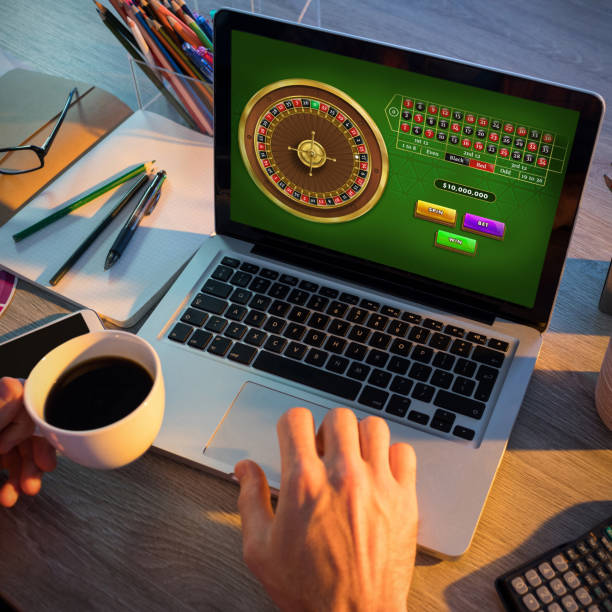
Explore Slots Hopper for Safe Gambling
Slots Hopper is an innovative online casino that prioritizes user experience and safety, offering a thrilling gambling environment tailored for players. With a diverse selection of over 13,000 games from leading providers, users can immerse themselves in a variety of gaming options. The platform not only emphasizes secure transactions but also introduces advanced features to help players make informed decisions.
The casino provides extensive resources aimed at promoting responsible gaming. Players have access to tools that encourage healthy gambling habits, including self-assessment tests and options to set spending limits. Furthermore, the availability of live chat assistance ensures that players can seek help whenever needed, fostering a supportive community for responsible gambling practices.
By choosing Slots Hopper, players can enjoy an exciting gaming experience while also benefiting from a commitment to their mental well-being. With the right tools and support, users can enhance their decision-making processes and make informed choices that contribute to a balanced gambling experience.