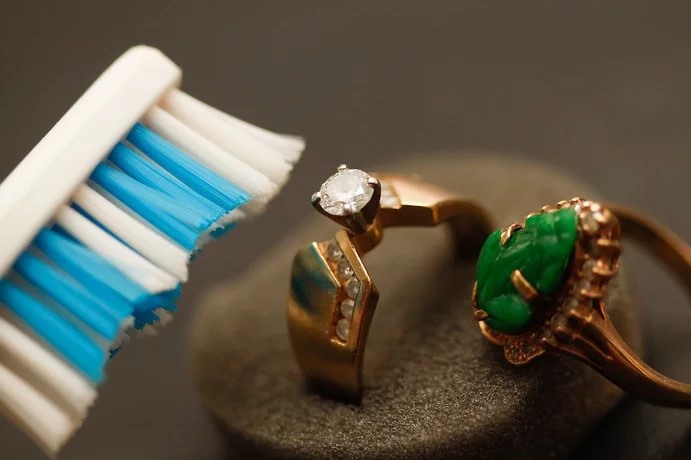
Jewelry is designed to add elegance and sparkle to an outfit, but even the most beautiful pieces can lose their shine over time. Everyday exposure to sweat, oils, dust, cosmetics, perfumes, and household products can leave jewelry looking dull or dirty. Fortunately, many pieces can be cleaned at home with simple methods and a little care.
However, not every type of jewelry should be cleaned in the same way. Gold, silver, diamonds, pearls, gemstones, and plated jewelry can have very different cleaning requirements. Using the wrong technique or an overly harsh product may cause scratches, discoloration, or permanent damage.
This guide explains how to clean different types of jewelry safely and restore their shine.
Why Does Jewelry Become Dull?
Jewelry comes into contact with many substances during normal use. Skin oils, sweat, lotions, makeup, sunscreen, dust, and soap residue can gradually build up on the surface.
Silver jewelry can also tarnish when it reacts with substances in the surrounding environment. Tarnishing creates a darker appearance that can make silver look old or neglected.
The good news is that regular, gentle cleaning can prevent much of this buildup and help jewelry maintain its appearance.
Before You Start Cleaning
Before cleaning any piece, identify its material and gemstones.
Ask yourself:
- Is it solid gold or gold-plated?
- Is it sterling silver?
- Does it contain diamonds or colored gemstones?
- Is it set with pearls?
- Are any stones loose?
- Is the jewelry antique or particularly valuable?
If you are unsure about the material or construction, professional cleaning may be safer than experimenting with household solutions.
It is also a good idea to inspect the piece before cleaning. If a stone appears loose, avoid soaking or brushing it and have it checked by a jeweler.
How to Clean Gold Jewelry
Solid gold jewelry can generally be cleaned using a mild solution of warm water and a small amount of gentle dish soap.
Place the jewelry in the solution for a short period, then gently clean it using a very soft toothbrush. Pay attention to areas around settings and underneath stones where dirt can accumulate.
Rinse thoroughly with clean water and dry using a soft, lint-free cloth.
Avoid abrasive cleaners or rough brushes because they can scratch the metal or damage delicate finishes.
How to Clean Silver Jewelry
Silver can develop tarnish over time. For lightly tarnished silver, a soft polishing cloth designed specifically for silver can often restore its shine.
For more delicate or intricate pieces, gentle cleaning with mild soapy water may be appropriate, depending on the jewelry’s construction.
After cleaning, dry silver thoroughly. Leaving moisture on the surface can contribute to further tarnishing.
Some silver jewelry has intentionally darkened or oxidized details. Aggressive polishing can remove these decorative finishes, so check the piece carefully before cleaning.
How to Clean Diamond Jewelry
Diamonds are durable, but the jewelry surrounding them still requires care.
A mild solution of warm water and gentle dish soap can be used for many diamond pieces. A soft toothbrush can help remove dirt from behind the stone and around its setting.
Rinse the jewelry carefully and dry it with a soft cloth.
Avoid harsh chemicals and rough tools. Most importantly, inspect the setting periodically. A beautiful diamond is of little use if a loose setting allows it to fall out.
Be Careful With Pearls
Pearls require much more gentle treatment than many other gemstones.
They can be damaged by harsh chemicals, abrasive materials, and prolonged exposure to water. Avoid soaking pearl jewelry in cleaning solutions.
Instead, gently wipe pearls with a soft, slightly damp cloth after wearing them. Allow them to dry naturally before storing them.
Perfume, hairspray, cosmetics, and other chemicals should ideally be applied before putting on pearl jewelry.
Cleaning Colored Gemstones
Colored gemstones can have very different properties. Some are relatively durable, while others may be sensitive to heat, chemicals, sudden temperature changes, or prolonged exposure to moisture.
Because of these differences, it is best not to assume that a cleaning method suitable for diamonds or gold is safe for every gemstone.
If a piece contains an unusual, delicate, treated, or valuable gemstone, consult a professional jeweler for specific cleaning instructions.
How to Clean Costume Jewelry
Costume jewelry often contains plated metals, synthetic stones, adhesives, enamel, or other materials that may not tolerate soaking.
For these pieces, use a soft, dry or slightly damp cloth to remove surface dirt. Avoid immersing the jewelry unless the manufacturer specifically says that it is safe.
Keeping costume jewelry away from water, perfume, lotions, and excessive humidity can help extend its life.
What Cleaning Products Should You Avoid?
More cleaning power does not necessarily mean better results.
Avoid using household chemicals, bleach, abrasive powders, rough sponges, and other harsh substances on jewelry unless a professional specifically recommends them.
Toothpaste is also commonly suggested as a DIY jewelry cleaner, but its abrasive properties can scratch some metals and surfaces.
When in doubt, gentle cleaning is usually safer than aggressive cleaning.
Don’t Forget to Rinse Thoroughly
Soap residue can make jewelry look cloudy even after cleaning.
After using a mild soap solution, rinse the jewelry carefully with clean water. For small pieces, make sure they cannot accidentally fall down the drain.
A bowl of clean water is often safer than rinsing a valuable piece directly over an open sink.
Drying Your Jewelry Properly
Drying is an important part of the cleaning process.
Use a soft, lint-free cloth to gently pat the jewelry dry. Avoid vigorous rubbing, especially around delicate settings.
For pieces that can safely tolerate water, allowing them to air-dry completely before storage can help prevent moisture-related problems.
How Often Should You Clean Jewelry?
The ideal cleaning frequency depends on how often you wear the piece.
Everyday jewelry may benefit from gentle cleaning every few weeks or whenever visible buildup appears. Jewelry worn occasionally may only need cleaning before or after use.
A simple habit is to wipe jewelry with a soft cloth after wearing it. This removes some oils and residue before they have a chance to accumulate.
Store Jewelry Correctly
Proper storage can reduce the need for frequent cleaning.
Keep jewelry in a clean, dry location. Store pieces separately when possible to prevent scratching and tangling.
Silver can benefit from appropriate anti-tarnish storage solutions. Delicate pieces should be protected from excessive humidity, heat, and direct exposure to household chemicals.
Keeping necklaces individually separated can also prevent chains from becoming tangled.
When Should You Visit a Jeweler?
Home cleaning is suitable for many basic pieces, but professional care is preferable in certain situations.
Consider consulting a jeweler if:
- A gemstone appears loose.
- A setting is damaged.
- The jewelry is antique or highly valuable.
- The piece has intricate construction.
- You do not know what material it contains.
- The jewelry has severe tarnishing or discoloration.
- A stone has become cloudy or damaged.
Professional cleaning can also provide an opportunity to check clasps, prongs, settings, and other components.
Conclusion
Cleaning your jewelry does not have to be complicated. Gentle methods, suitable materials, and regular care can help many pieces retain their original beauty.
Gold and diamond jewelry can often be cleaned with mild soap and water, while silver may require a suitable polishing cloth. Pearls and delicate gemstones need additional caution, and costume jewelry should generally be protected from excessive moisture and harsh chemicals.
The most important rule is to know your jewelry before you clean it. When you’re uncertain about a valuable or delicate piece, professional advice is safer than experimenting.
With regular cleaning, careful handling, and proper storage, your favorite jewelry can continue to sparkle and look beautiful for years to come.