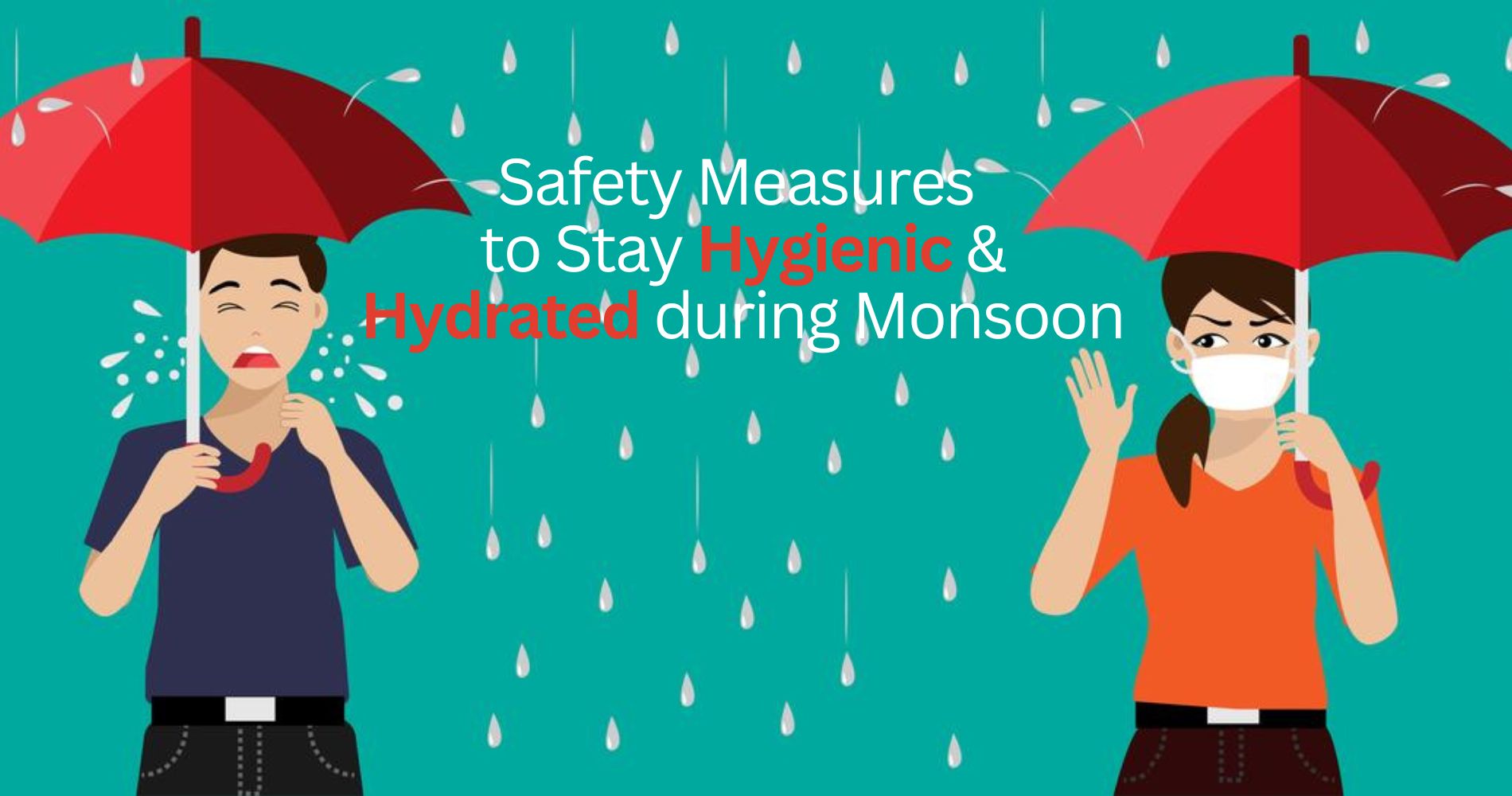
The monsoon season brings cooler weather, fresh greenery, and relief from the summer heat. However, it also introduces excess moisture, muddy footprints, and a higher risk of germs entering your home. While many people focus on washing hands, sanitizing surfaces, and keeping clothes dry, one area often gets overlooked—the floor. Since floors are constantly exposed to dirt, rainwater, and bacteria brought in from outside, they can become a major source of contamination during the rainy season.
Maintaining clean floors isn’t just about keeping your home looking neat; it’s an essential part of monsoon hygiene. Here’s why floor cleanliness matters and how you can keep your home safe and healthy throughout the rainy season.
Why Floors Become Germ Hotspots During Monsoon
Rainwater carries mud, bacteria, fungi, and other contaminants into your home through shoes, umbrellas, pets, and even damp clothing. Moisture trapped on floors creates an ideal environment for microorganisms to multiply.
Common problems include:
- Muddy footprints throughout the house
- Mold and mildew growth
- Slippery surfaces
- Bad odors caused by dampness
- Increased bacterial and fungal contamination
Without regular cleaning, these issues can affect both hygiene and indoor air quality.
Hidden Health Risks of Dirty Floors
Dirty floors are more than just an eyesore. They can contribute to several health concerns, especially for children, older adults, and pets who spend more time close to the ground.
Potential risks include:
- Spread of bacteria and viruses
- Fungal infections
- Dust mite buildup
- Allergic reactions
- Respiratory irritation from mold spores
- Skin irritation from contaminated surfaces
Keeping floors clean helps reduce exposure to these potential hazards.
Moisture Encourages Mold and Mildew
Monsoon humidity makes it difficult for floors to dry completely after cleaning or after rainwater enters the home.
Persistent dampness encourages mold and mildew growth, particularly in:
- Bathroom floors
- Entryways
- Kitchen corners
- Under carpets and rugs
- Wooden flooring
Mold not only damages flooring materials but may also trigger allergies and unpleasant odors.
Shoes Bring Outdoor Germs Indoors
One of the biggest contributors to dirty floors is footwear.
Shoes collect:
- Mud
- Bacteria
- Animal waste residues
- Chemicals
- Road dust
- Rainwater
Creating a no-shoes policy inside the home can significantly reduce the amount of dirt and germs brought indoors.
Place a shoe rack near the entrance and encourage family members and guests to remove footwear before entering.
Daily Floor Cleaning Is Essential
During the rainy season, regular sweeping alone isn’t enough.
For better hygiene:
- Sweep or vacuum daily.
- Mop floors using a suitable floor cleaner.
- Pay extra attention to entryways.
- Dry wet areas immediately.
- Clean spills as soon as they occur.
Frequent cleaning helps prevent dirt from accumulating and reduces microbial growth.
Keep Entryways Clean and Dry
Your home’s entrance acts as the first barrier against monsoon dirt.
Simple steps include:
- Place absorbent doormats outside and inside the entrance.
- Shake out mats regularly.
- Wash mats frequently.
- Dry them completely before reuse.
Replacing soaked mats promptly helps prevent mold growth.
Improve Indoor Ventilation
Good airflow helps floors dry faster and reduces indoor humidity.
Whenever possible:
- Open windows during dry weather.
- Use exhaust fans in bathrooms and kitchens.
- Run ceiling or pedestal fans.
- Consider a dehumidifier in particularly damp areas.
Proper ventilation minimizes moisture buildup throughout the home.
Pay Attention to Bathroom and Kitchen Floors
Bathrooms and kitchens naturally experience higher moisture levels, making them especially vulnerable during monsoon.
To maintain hygiene:
- Wipe excess water after use.
- Clean floor drains regularly.
- Use disinfectants suitable for wet areas.
- Repair leaking taps or pipes promptly.
Keeping these spaces dry reduces the risk of bacterial and fungal growth.
Choose the Right Cleaning Products
Not all cleaning products perform equally well in humid conditions.
Look for cleaners that:
- Remove grease and dirt effectively
- Help eliminate bacteria
- Reduce unpleasant odors
- Are safe for your flooring material
- Leave minimal residue
Always follow the manufacturer’s instructions and avoid mixing different cleaning chemicals.
Extra Hygiene Tips During Monsoon
Besides regular floor cleaning, these habits can help keep your home healthier:
- Dry wet umbrellas before storing them.
- Wash reusable cleaning cloths frequently.
- Clean pet paws after outdoor walks.
- Avoid leaving damp clothes on the floor.
- Inspect hidden corners for signs of mold.
- Keep carpets and rugs as dry as possible.
Small daily habits can significantly improve indoor hygiene.
Final Thoughts
Monsoon hygiene truly starts from the floor. Since floors collect rainwater, mud, bacteria, and moisture every day, they play a crucial role in maintaining a clean and healthy home. Regular cleaning, prompt drying, proper ventilation, and simple preventive measures—such as removing shoes indoors—can greatly reduce the spread of germs and minimize mold growth. By giving extra attention to your floors during the rainy season, you can create a safer, fresher, and more comfortable living environment for your entire family.