Introduction
The Digital Operational Resilience Act (DORA) is a European Union regulation designed to strengthen the digital resilience of financial entities. It establishes a comprehensive framework for managing Information and Communication Technology (ICT) risks, ensuring that organizations can prevent, respond to, and recover from cyber incidents and operational disruptions. One of DORA’s key requirements is maintaining clear, accurate, and well-organized incident response documentation.
Proper documentation not only helps organizations comply with regulatory requirements but also improves coordination during cybersecurity incidents, reduces recovery time, and demonstrates accountability to regulators and stakeholders. This article explains the essential incident response documents organizations should maintain to support DORA compliance.
What Is DORA?
The Digital Operational Resilience Act (DORA) is an EU regulation that applies to a wide range of financial institutions, including banks, insurance companies, investment firms, payment service providers, crypto-asset service providers, and certain ICT third-party service providers.
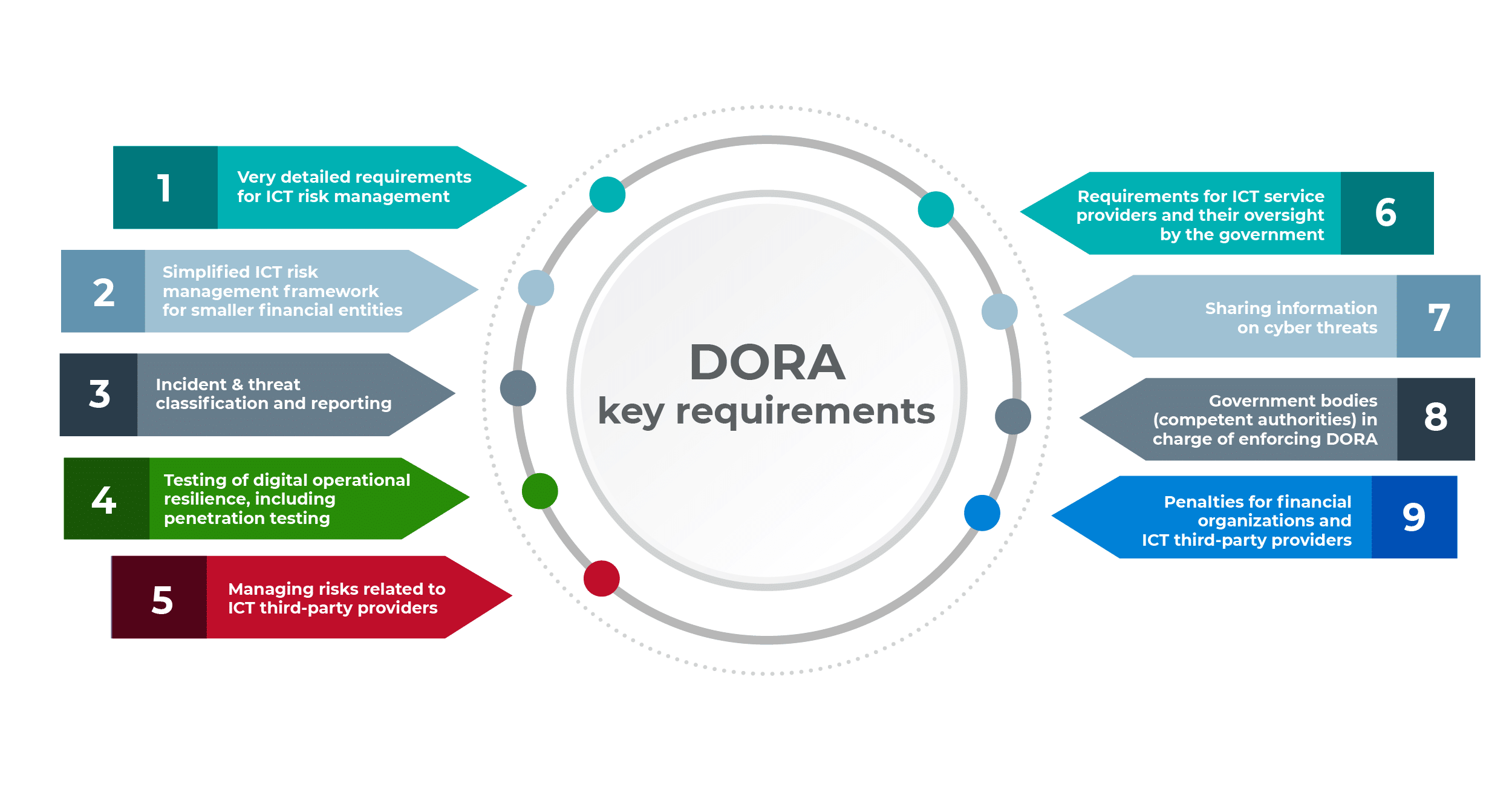
DORA focuses on five major areas:
- ICT risk management
- ICT-related incident reporting
- Digital operational resilience testing
- Third-party ICT risk management
- Information sharing on cyber threats
Maintaining comprehensive documentation supports all of these areas, particularly incident management and regulatory reporting.
Why Incident Response Documentation Matters
Well-prepared documentation enables organizations to respond consistently and efficiently during cyber incidents. It also provides evidence that appropriate procedures were followed and helps identify areas for improvement after an incident.
Benefits include:
- Faster incident response
- Improved regulatory compliance
- Better communication across teams
- Easier post-incident analysis
- Reduced operational downtime
- Stronger audit readiness
Without proper documentation, organizations may struggle to demonstrate compliance or coordinate an effective response during critical events.
Essential DORA Incident Response Documents
1. Incident Response Policy
An Incident Response Policy serves as the foundation of the organization’s cybersecurity response framework.
It typically defines:
- Incident response objectives
- Roles and responsibilities
- Incident classification criteria
- Reporting requirements
- Governance structure
- Escalation procedures
- Review and approval process
This policy should align with the organization’s overall ICT risk management strategy.
2. Incident Response Plan
The Incident Response Plan provides detailed procedures for handling cybersecurity incidents from detection through recovery.
It should include:
- Preparation activities
- Detection methods
- Initial assessment procedures
- Containment strategies
- Investigation steps
- Eradication processes
- Recovery procedures
- Post-incident review process
The plan should be reviewed and tested regularly.
3. Incident Classification Framework
Not every security event requires the same level of response.
Organizations should document:
- Severity levels
- Business impact criteria
- Regulatory reporting thresholds
- Financial impact categories
- Data sensitivity levels
- Customer impact assessments
A standardized classification system ensures incidents receive the appropriate response.
4. Incident Reporting Procedures
DORA places significant emphasis on timely reporting of major ICT-related incidents.
Documentation should explain:
- Internal reporting workflow
- Regulatory notification process
- Required reporting timelines
- Responsible personnel
- Information required in reports
- Communication approval process
Clear reporting procedures help organizations meet regulatory deadlines.
5. Communication Plan
Effective communication reduces confusion during security incidents.
A communication plan should identify:
- Internal contacts
- Executive stakeholders
- IT teams
- Legal counsel
- Compliance officers
- Public relations contacts
- External regulators
- Customers when appropriate
Prepared communication templates can save valuable time during emergencies.
6. Roles and Responsibilities Matrix
Every participant should understand their responsibilities before an incident occurs.
This document commonly defines responsibilities for:
- Incident manager
- Security analysts
- IT operations
- Executive leadership
- Legal department
- Compliance team
- Human resources
- Third-party vendors
Many organizations use a RACI (Responsible, Accountable, Consulted, Informed) matrix to clarify ownership.
7. Incident Log
Every significant action taken during an incident should be recorded.
Typical information includes:
- Date and time
- Incident identifier
- Detection method
- Systems affected
- Response actions
- Personnel involved
- Decisions made
- Recovery milestones
Detailed logs support audits and post-incident investigations.
8. Evidence Collection Procedures
Proper evidence handling is essential, particularly if legal action or forensic investigation becomes necessary.
Documentation should explain:
- Evidence preservation methods
- Chain of custody procedures
- Log collection
- System imaging
- Access controls
- Storage requirements
Maintaining evidence integrity is critical throughout the investigation.
9. Recovery and Business Continuity Documentation
Organizations should maintain documented procedures for restoring operations safely.
These documents may include:
- Disaster recovery plans
- System restoration procedures
- Backup verification
- Service prioritization
- Business continuity plans
- Recovery testing results
Recovery documentation ensures services resume with minimal disruption.
10. Post-Incident Review Report
Every significant incident provides an opportunity for improvement.
A post-incident report should summarize:
- Root cause analysis
- Timeline of events
- Actions taken
- Response effectiveness
- Business impact
- Lessons learned
- Recommended improvements
- Follow-up actions
These reports help strengthen future resilience.
Supporting Documentation
In addition to incident-specific documents, organizations should also maintain:
- ICT asset inventory
- Risk assessments
- Security policies
- Vulnerability management records
- Vendor risk assessments
- Security awareness training records
- Access control documentation
- Change management records
These documents support the broader ICT risk management framework required under DORA.
Best Practices for DORA Documentation
Organizations can improve compliance by following these best practices:
- Keep documentation current and version-controlled.
- Review policies regularly.
- Test incident response procedures through simulations.
- Maintain clear document ownership.
- Store documentation securely.
- Ensure employees understand documented procedures.
- Integrate documentation into daily security operations.
- Retain records according to regulatory requirements.
Regular reviews help ensure documentation remains effective as technologies and threats evolve.
Common Documentation Mistakes
Organizations often encounter challenges such as:
- Outdated incident response plans
- Undefined roles and responsibilities
- Missing communication procedures
- Incomplete incident logs
- Lack of evidence preservation guidance
- Failure to document lessons learned
- Poor version control
- Infrequent testing of response plans
Addressing these issues improves both compliance and operational resilience.
Conclusion
DORA emphasizes that effective cybersecurity depends not only on strong technical controls but also on well-structured governance and documentation. Maintaining comprehensive incident response documents—including policies, response plans, reporting procedures, communication plans, incident logs, evidence handling processes, recovery documentation, and post-incident reviews—helps financial organizations respond more effectively to ICT-related incidents while demonstrating regulatory compliance. By treating documentation as a living part of their cybersecurity program and updating it regularly, organizations can strengthen operational resilience, improve audit readiness, and better protect critical systems and services in an increasingly complex digital environment.