Understanding the psychological impact of gambling on decision-making processes
The Nature of Gambling and Its Psychological Appeal
Gambling is often perceived as a thrilling escape from reality, and its psychological allure is both complex and multifaceted. At its core, the excitement generated by the potential for winning creates a rush that stimulates the brain’s reward system. This response mirrors that of other addictive behaviors, triggering the release of neurotransmitters like dopamine, which reinforces the urge to continue betting. Players often find themselves captivated by the suspense and uncertainty of games, making the experience both exhilarating and psychologically compelling. Exploring the landscape of online gaming, you might discover platforms like fatpiratecasinos.com that cater to various preferences and styles.
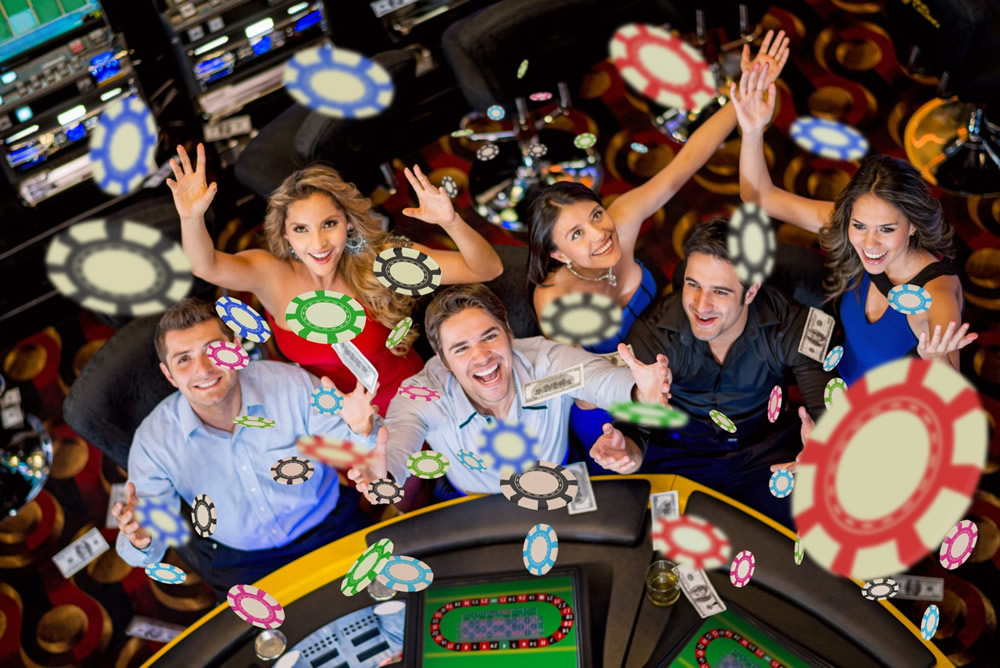
Moreover, the environment in which gambling takes place adds to its psychological impact. Casinos are designed to be vibrant and engaging, employing a combination of colors, sounds, and even scents to heighten the sensory experience. These carefully curated atmospheres serve to immerse players fully in the moment, diminishing their focus on rational decision-making. The ambiance of a casino can lead to a phenomenon known as “loss of control,” where individuals become so engrossed that they disregard their initial limits and budgets.
Additionally, gambling appeals to the innate human desire for control and predictability. Many players believe they can influence outcomes through strategy or luck, leading to a false sense of empowerment. This psychological phenomenon, referred to as the “illusion of control,” can lead individuals to make increasingly risky bets, driven by the hope of reclaiming losses or achieving a significant win, thus complicating their decision-making processes.
The Role of Cognitive Biases in Gambling Decisions
Cognitive biases significantly affect the decisions made by gamblers, often leading them to irrational choices. One common bias is the “gambler’s fallacy,” where individuals believe that past outcomes will influence future results in games of chance. For instance, a player may think that after a series of losses, a win is overdue, prompting them to place larger bets in hopes of recovering losses. This misjudgment showcases how biases distort perception, pushing players to gamble more than they initially intended.
Another prevalent cognitive bias is confirmation bias, where players focus on information that confirms their beliefs while ignoring contradictory evidence. For example, a gambler might remember successful plays but overlook instances of losses, reinforcing the idea that their strategy works. This selective memory can lead to overconfidence, causing individuals to chase losses or increase bets, further complicating their financial and emotional states.
Moreover, the concept of “near misses” also plays a pivotal role in decision-making. When players come close to winning—such as hitting two out of three needed symbols on a slot machine—they often perceive these near misses as encouraging signs. This perception can lead to a cycle of repeated gambling, where individuals feel motivated to keep playing in pursuit of the elusive win, despite a lack of rational basis for their continued bets.
The Emotional Toll of Gambling
Gambling is not only a game of chance but also a profound emotional experience that can impact decision-making. The euphoric highs associated with winning can lead to feelings of invincibility, while losses can evoke deep disappointment and frustration. These fluctuating emotions can cloud judgment, leading to impulsive decisions and poor risk assessment. Players may find themselves making choices based on temporary emotional states rather than careful analysis of the game or their financial situation.
Furthermore, the social aspect of gambling can amplify its emotional impacts. Group dynamics and peer pressure can influence how individuals make decisions, often pushing them to take risks they might otherwise avoid. For instance, someone might feel compelled to join friends in gambling, even when they have set personal limits. The fear of being left out or appearing less adventurous can drive individuals to disregard their better judgment, highlighting how emotions can interplay with decision-making in gambling contexts.
Additionally, the aftermath of gambling, particularly following significant losses, can lead to a state of emotional distress known as “gambling disorder.” This condition is characterized by an inability to control the urge to gamble despite negative consequences, such as financial strain or relationship issues. The emotional and psychological burden of gambling can ultimately interfere with everyday decision-making and lead to a cycle of despair, making it crucial for individuals to recognize and address these effects.
Strategies for Responsible Gambling
Understanding the psychological impacts of gambling is essential for developing strategies that promote responsible behavior. Awareness of cognitive biases and emotional influences can empower players to make more informed decisions. For instance, setting strict personal limits regarding time and money spent can help players maintain control over their gambling activities. Recognizing one’s emotional triggers, such as stress or boredom, can also lead to healthier coping strategies that do not involve gambling.
Additionally, seeking support from friends, family, or professional organizations can aid in managing gambling behavior. Many successful strategies involve open discussions about gambling habits and the potential impacts on one’s life. This support network can provide accountability and perspective, helping individuals to avoid impulsive decisions driven by emotional highs or lows.
Another effective approach is to engage with gambling in moderation, treating it as a form of entertainment rather than a means to achieve financial gain. Setting a budget for entertainment expenses and viewing losses as part of the experience can help mitigate the emotional toll of gambling. By adopting a balanced mindset, individuals can enjoy the thrill of gambling without succumbing to its psychological pitfalls.
Explore Gaming and Decision-Making at Fat Pirate Casino
At Fat Pirate Casino, we recognize the intricate relationship between gambling, psychology, and decision-making. Our platform promotes a thrilling gaming experience while encouraging responsible play. With a diverse selection of games, from slots to table games and live casino options, players can immerse themselves in an exciting environment while maintaining awareness of their gambling habits.
Our commitment to player welfare is paramount, and we provide resources for responsible gambling. Players can access tools to set limits on their gaming activities and find educational materials about the psychological effects of gambling. By fostering a supportive atmosphere, Fat Pirate Casino aims to enhance your gaming journey while prioritizing your well-being and informed decision-making.